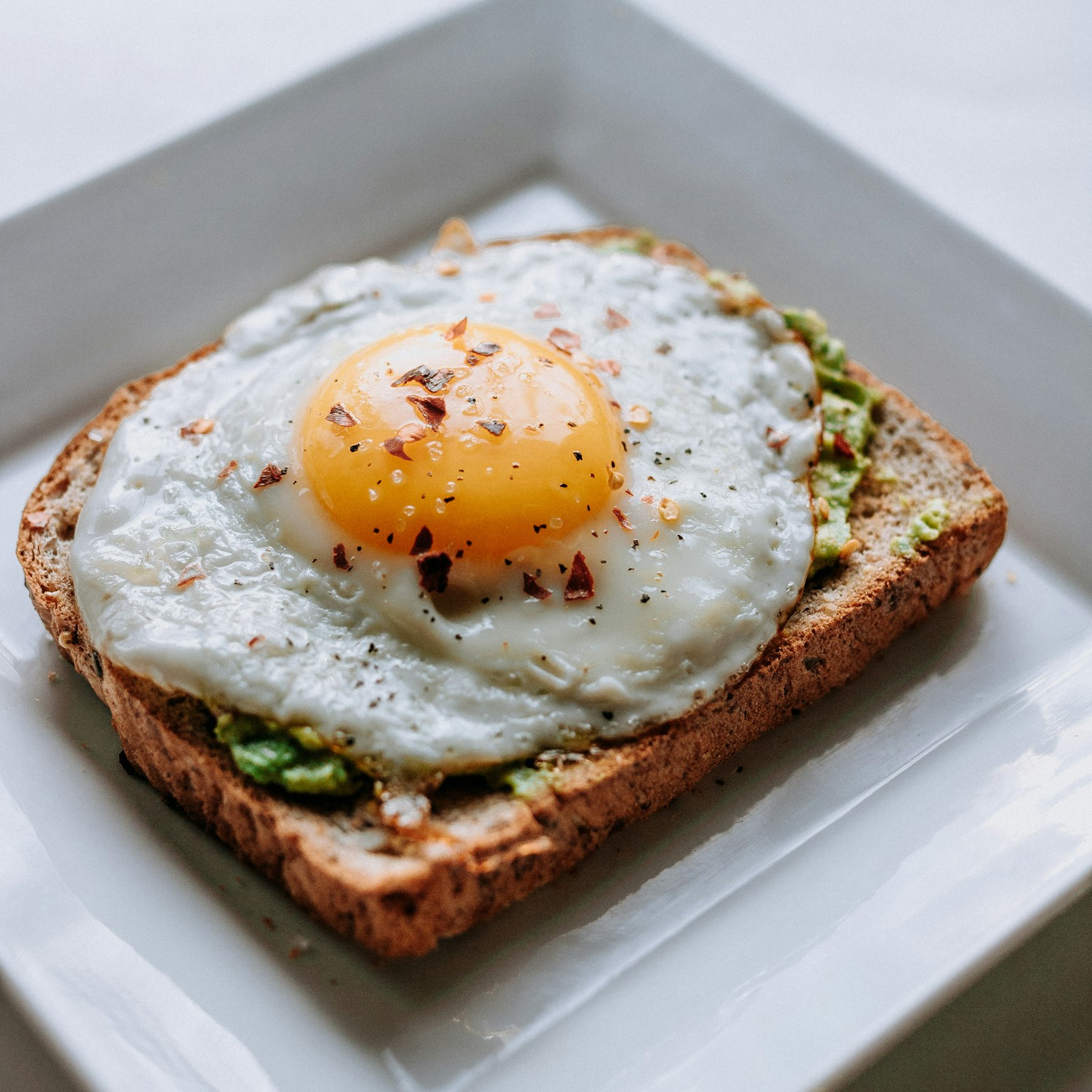
For decades, eggs were treated like a nutritional guilty pleasure. The yolk contained cholesterol. Cholesterol was linked with heart disease. Therefore, the thinking went, a better breakfast meant egg whites, dry toast, and a little anxiety on the side.
It is time to retire that fear.
Eggs are nutrient-dense whole foods. For most healthy people, eating them regularly can fit comfortably into a diet built around vegetables, fruit, fish, olive oil, nuts, seeds, legumes, and minimally processed food. You do not need to eat a carton a day to make the case. You simply do not need to treat a yolk like a health hazard.
The Yolk Is Where Much of the Nutrition Lives
Separating the white from the yolk may reduce dietary cholesterol, but it also leaves behind much of what makes an egg valuable. The yolk supplies choline, vitamin B12, selenium, iodine, and other essential nutrients, along with fat that helps make the meal satisfying.
Choline deserves special attention. The body uses it to build cell membranes and produce acetylcholine, a neurotransmitter involved in memory and muscle control. It is also important during pregnancy and fetal development. One large hard-boiled egg provides roughly 147 milligrams of choline, according to the National Institutes of Health.
Eggs are also practical. They are affordable, widely available, easy to prepare, and naturally free of added sugar. In a food environment full of engineered snacks and ultra-processed breakfast products, that matters.
Cholesterol Is Not the Whole Story
Eggs contain dietary cholesterol. That fact has never been in question. What has changed is our understanding of what that fact means.
Eating cholesterol does not automatically create a matching increase in blood cholesterol or cardiovascular risk. People respond differently based on genetics, metabolic health, insulin resistance, body weight, activity level, smoking, blood pressure, and the overall quality of the diet.
The food around the egg matters too. Eggs cooked in olive oil and served with vegetables, avocado, or beans are part of a very different meal from eggs routinely paired with bacon, sausage, refined bread, hash browns, and a sugary drink. Counting eggs without accounting for the rest of the plate can confuse the issue.
This is not an argument that every marker of cardiovascular health is irrelevant. It is an argument for looking at the whole person and the whole diet rather than treating one food as guilty because of one nutrient.
What the Research Actually Shows
The evidence on moderate egg consumption is far more reassuring than the old advice suggests. A major analysis published in The BMJ combined three large American cohorts with an updated meta-analysis covering roughly 1.7 million people. It found that consuming up to one egg a day was not associated with greater overall cardiovascular disease risk.
A 2024 review of 38 systematic reviews and meta-analyses reached a similar conclusion. Moderate egg consumption, up to about one egg daily, was unlikely to adversely affect overall disease risk. The authors also made an important point. Evidence is less certain for consistently eating more than one egg every day.
That is a sensible place to land. Eggs do not need to be feared, and they do not need to become a dietary dare.
A Better Breakfast Than Refined Carbs
Eggs can be especially useful at breakfast because they bring protein and fat to a meal that is often dominated by refined carbohydrates. Small randomized trials have found that people felt less hungry and ate less later in the day after an egg-based breakfast than after a cereal-based breakfast with the same amount of energy.
That does not mean eggs cause weight loss by themselves. It means that replacing a sweet, low-protein breakfast with a more substantial whole-food meal can make it easier to stay satisfied.
This is a much more useful conversation than declaring eggs good or bad in isolation. What are they replacing. What is the rest of the meal. Does the meal keep blood sugar steady and provide real nourishment.
Try It: Perfect Soft-Boiled Eggs
Here is the recipe in action — a breakfast that keeps blood sugar steady and takes about ten minutes from cold eggs to plate. Soft-boiled eggs keep the yolk intact, which is exactly the point: the yolk is where most of the nutrition lives.
- breakfast
- eggs
- high-protein
- low-carb
Ingredients
- 4 large eggs, straight from the fridge
- Water
- A pinch of sea salt and black pepper
- 1 tsp olive oil or butter, for serving
- Optional: fresh chives or dill, chopped
Instructions
- Bring a medium pot of water to a rolling boil. Lower the eggs in gently with a spoon.
- Boil for exactly 6 minutes for a jammy, soft yolk, or 7 minutes for a firmer but still soft yolk.
- Transfer the eggs to a bowl of ice water for 1 minute — this stops the cooking and makes them easy to peel.
- Peel, halve, season with salt and pepper, and finish with a drizzle of olive oil and fresh herbs.
Notes
- Start timing as soon as the eggs hit the boiling water; altitude and egg size shift the timing by 30–60 seconds.
- Serve with avocado, sautéed spinach, or a few cherry tomatoes to add fibre and volume to the meal.
- For meal prep, cook a batch and keep them in the shell in the fridge for up to 3 days — peel just before eating.
Eat Eggs in a Diet That Makes Sense
The case for eggs is not a case for eating only eggs. They do not provide fiber, and no single food can cover every nutritional need. But eggs can be an excellent supporting player in a healthy pattern.
- Cook them in olive oil or pair them with avocado
- Add spinach, peppers, mushrooms, tomatoes, onions, or fresh herbs
- Eat fish regularly for omega-3 fats
- Include nuts, seeds, legumes, fruit, and plenty of vegetables
- Make processed meats an occasional choice rather than the default side dish
People with familial hypercholesterolemia, very high LDL cholesterol, established cardiovascular disease, or other significant medical conditions should make dietary choices with their clinician. Personal response matters, especially in those cases.
For most people, though, the takeaway is uncomplicated. Eggs are nutritious, convenient, and compatible with a healthy diet. Eat the eggs. Eat the yolks. Build the rest of the plate from real food.
Sources
- National Institutes of Health Office of Dietary Supplements. Choline Fact Sheet for Health Professionals. ods.od.nih.gov
- Drouin-Chartier JP et al. Egg Consumption and Risk of Cardiovascular Disease. The BMJ. pubmed.ncbi.nlm.nih.gov
- Virtanen JK and Larsson SC. Eggs, a Scoping Review for Nordic Nutrition Recommendations 2023. Food and Nutrition Research. pubmed.ncbi.nlm.nih.gov
- Biasini A et al. Effect of Egg Consumption on Health Outcomes. Nutrition, Metabolism and Cardiovascular Diseases. pubmed.ncbi.nlm.nih.gov
- Ratliff J et al. Energy Intake and Satiety Responses of Eggs for Breakfast in Overweight and Obese Adults. pubmed.ncbi.nlm.nih.gov