The Link Between Heritage and Metabolism
Understanding where you come from can help you eat in a way that makes sense for your biology.
I’ve spent a lot of time trying to understand why certain diets seem to work great for some people and completely fall apart for others. The more I experimented, and the more I read, the clearer it became that the idea of a single healthy diet for everyone just doesn’t hold up. That realization pushed me toward genetics, inheritance, and history as a way to make sense of food.
What really helped frame this for me was the work and lectures of historian Roy Casagranda. He looks at food through a long evolutionary lens, and once you do that, modern nutrition advice starts to look a little strange.
How Humans Actually Evolved to Eat
For most of human history, we weren’t farmers. We were gatherers and hunters. That meant eating a wide range of foods depending on season and geography: berries, roots, tubers, nuts, seeds, and occasional animal protein when a hunt worked out. No single food dominated the diet year-round, and variety was the norm, not the exception.
That variety matters. It meant our ancestors weren’t repeatedly exposing their bodies to the same proteins and carbohydrates every day for decades. When I compare that to modern diets built around a handful of staple foods, it’s hard not to see a mismatch.
Agriculture Changed Everything
Agriculture is incredibly recent in evolutionary terms. Once people settled down and started farming, diets narrowed quickly. Wheat, rice, and corn became dietary foundations. People ate the same foods over and over because that’s what they grew.
Casagranda points out that this shift didn’t just change what people ate, it changed their health. Early farming diets were monotonous, less nutrient-diverse, and in some cases physically damaging. Even something as basic as stone-ground bread introduced grit that wore down teeth over time. From an evolutionary perspective, this was a radical experiment introduced far faster than biology could adapt to it.
Genetics, Heritage, and Why We React Differently to Food
This is where genetics really starts to matter, but not in a rigid or deterministic way. What finally clicked for me is that our responses to food reflect a long interaction between biology, environment, and culture. Genetics sets tendencies, environments apply pressure, and culture fills in the gaps.
To understand this properly, it helps to separate three very different dietary phases in human history.
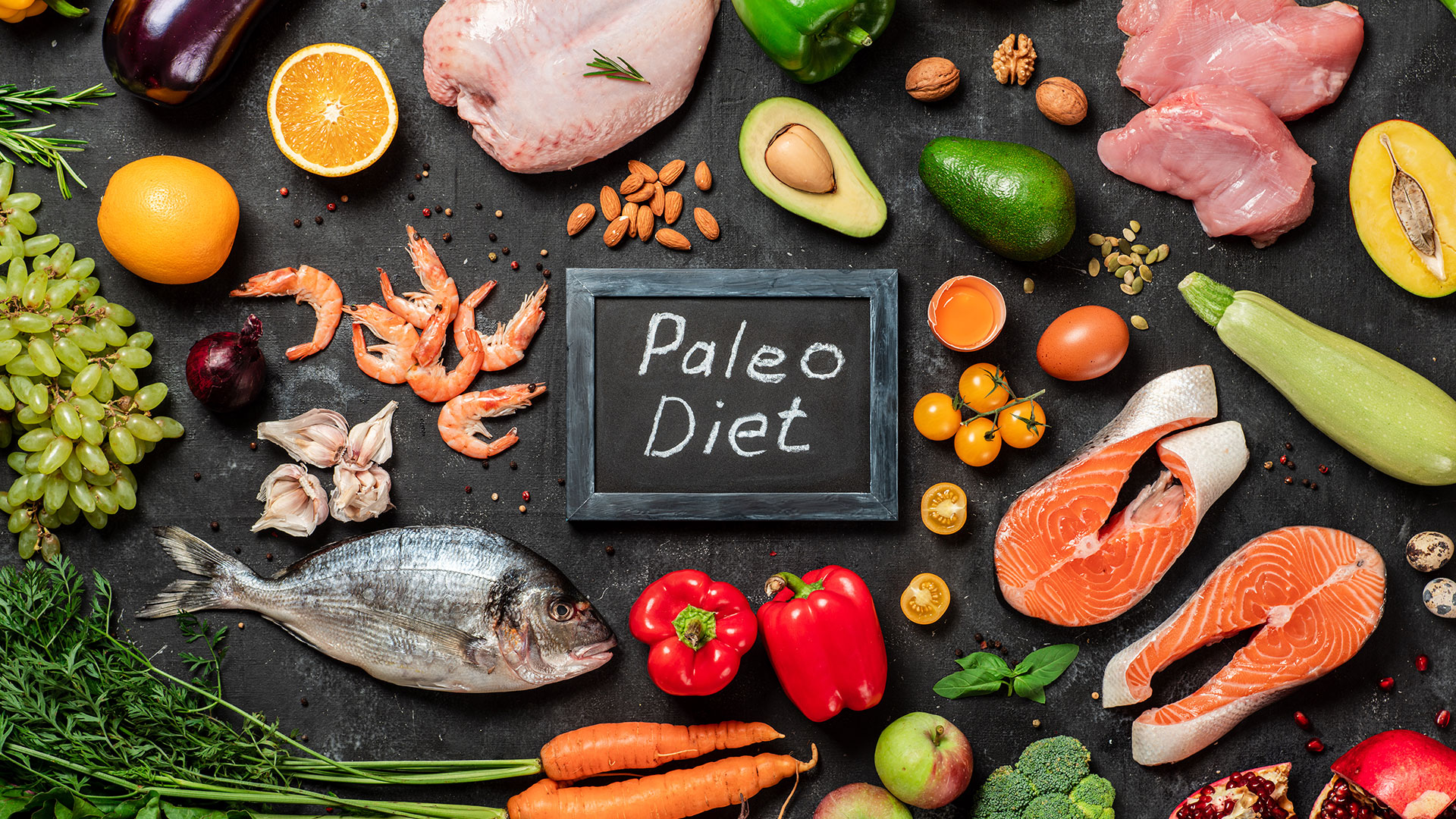
First is the hunter-gatherer phase, which represents the true evolutionary baseline. For well over ninety percent of our history, humans lived as gatherers and hunters. Diets during this period were highly variable and seasonal, built around wild game, fish, shellfish, roots, tubers, greens, nuts, seeds, and fruits when available. There were no cultivated grains, no refined sugars, and no constant exposure to the same foods day after day. This is the nutritional context that shaped human metabolism, insulin signaling, immune function, and appetite regulation.
Agriculture came much later and represents a partial departure from that baseline. This is where populations like the Norse become useful examples, but only if they are framed correctly. Vikings were not hunter-gatherers. By the Viking Age, Norse societies practiced agriculture and animal husbandry. However, they lived in harsh northern climates that still imposed strong ancestral constraints.
Food availability was highly seasonal. Winters were long. Sugar intake was extremely low. Grains such as rye and barley existed, but they were hardy, coarse, minimally processed, and inconsistent in supply. Bread, when eaten, was dense and usually consumed alongside animal fat, fish, or meat. Much of the diet still depended on fishing, preserved meats, dairy, and hardy vegetables and berries that could survive the climate.
In other words, while Vikings were no longer hunter-gatherers, their environment forced a diet much closer to the evolutionary baseline than anything resembling a modern Western diet. They serve as a useful transitional case showing how limited agriculture interacts with a biology still shaped by hunting and gathering.
By contrast, populations in the Mediterranean basin experienced very different environmental pressures. Mild climates allowed year-round access to a wide variety of plant foods. Traditional Mediterranean diets developed around fruits, vegetables, legumes, whole grains, nuts, seeds, olive oil, and regular fish consumption. Carbohydrates played a more consistent role in daily energy intake, though they were typically consumed with fiber, fat, and protein, which slowed glucose response.
These long-standing environmental differences likely influenced how different populations adapted metabolically. Northern European ancestries may have a higher likelihood of tolerating lower sugar intake and relying more heavily on protein and fat, while Mediterranean ancestries may be better adapted to diets with higher carbohydrate availability from fruits and grains. These are tendencies, not rules, but they help explain why dietary responses vary so widely today.
Beyond broad ancestry, smaller genetic variations also matter. Some people metabolize caffeine quickly and feel fine drinking coffee, while others metabolize it slowly and feel anxious or overstimulated. Some people experience significant blood pressure changes with salt, while others barely respond. Even how we perceive fat, including how satisfying or appealing it feels, can be influenced by genetics.
There are also extreme cases, such as phenylketonuria, where genetics dictates very specific dietary requirements. Most people are not dealing with conditions that severe, but the principle still holds. Our genes shape tendencies and boundaries, even when they do not determine outcomes outright.
Once I started looking at food through this combined lens of hunter-gatherer biology, environmental constraint, and inherited variation, a lot of confusion cleared up. It explains why two people can eat the same meal and experience completely different outcomes in energy, digestion, weight, or inflammation.
Food Signals More Than Calories
One of the most interesting things I’ve learned is that food doesn’t just provide calories and nutrients. It also sends signals that affect how genes behave. Certain nutrients can increase or decrease inflammation, influence metabolism, and shape long-term health depending on timing and context.
Early life nutrition, in particular, seems to matter a lot. What we eat growing up can influence how our bodies regulate energy, fat storage, and disease risk later on. That realization changed how I think about food. It feels less like a simple input and more like an ongoing biological conversation.
How This Changed the Way I Eat
All of this shifted my mindset. I stopped chasing diet trends and started paying attention to how my body actually responds to food. I focus on variety instead of restriction. I’m cautious with foods I don’t tolerate well and don’t feel obligated to eat things just because they’re labeled healthy.
Instead of asking, “Is this diet good or bad?” I ask, “Does this make sense for my biology?” That question alone has been far more useful than any universal rule.
Final Thoughts
Genetics doesn’t lock us into a destiny, but it does give us tendencies and constraints. History shows us how those tendencies formed, and modern science helps explain why they still matter.
When we combine evolutionary context with genetic insight, nutrition becomes less about ideology and more about alignment. Eating well isn’t about copying someone else’s plan. It’s about understanding where you come from, how your body works, and choosing foods that make sense for you.
Sources
Roy Casagranda – A Very Brief History of Western Civilization
Lecture transcript examining hunter-gatherer diets, the transition to agriculture, and its health consequences.
The Singju Post
Nutrients (2025) – Advancing Personalized Nutrition Through Genetic Nutritional Insights
Editorial overview of nutrigenetics, nutrigenomics, and emerging evidence for personalized dietary approaches.
Nutrients Journal
Frontiers in Nutrition – Personalized nutrition: the end of the one-diet-fits-all era
Discussion of genetic variability, evolutionary mismatch, and why universal dietary guidelines often fail.
Frontiers in Nutrition
HHMI BioInteractive – Got Lactase? The Co-evolution of Genes and Culture
Educational resource explaining lactase persistence, gene regulation, and gene–culture coevolution.
HHMI BioInteractive
Nutrigenomics: Understanding the Interactions Between Diet, Genes, and Health
Overview of how genetic variants influence metabolic responses to nutrients and long-term health outcomes.
Open-Access Journal Article
ScienceDaily – Coffee Consumption Linked to Increased Risk of Heart Attack for Persons With Certain Gene Variation
Summary of research on CYP1A2 gene variants and caffeine metabolism.
ScienceDaily
Harvard Health Publishing – Dietary salt and blood pressure: A complex connection
Explanation of salt sensitivity and genetic variation in blood-pressure response.
Harvard Health
MedlinePlus – Phenylketonuria (PKU)
Clinical overview of PKU and the dietary requirements imposed by PAH gene mutations.
MedlinePlus
MedlinePlus Genetics – PAH Gene
Genetic background on the PAH gene and its role in phenylalanine metabolism.
MedlinePlus Genetics
Fjord Tours – What Did the Average Viking Eat?
Historical overview of Viking-era foods, preservation methods, and seasonal eating patterns.
Fjord Tours
StatPearls / NCBI Bookshelf – Mediterranean Diet
Comprehensive clinical and historical overview of traditional Mediterranean eating patterns.
NCBI Bookshelf
More from Healthful
- Yes, You Can Eat the Yolk
Eggs are nutrient-dense whole foods, not something most people need to fear. The larger dietary pattern is what matters.
- The Seed Oil Problem
There is growing interest among nutrition researchers in seed oils' potential role in cardiovascular diseases.
- Big Food Addiction Engineering: A Diabolical Plot
It's not your fault. Big food is keeping you addicted to processed foods. A look at how they do it.
- How Big Food Exploits Our Brain's Reward System
Modern food is engineered for stimulation. Overeating isn't weak willpower — it's what happens when industry learns to hijack appetite.